Embark on a journey through the realm of investment opportunities in the stock market, where fortunes are waiting to be made and financial success beckons.
Delve deeper into the intricacies of investment strategies and discover the keys to unlocking the potential for wealth accumulation in the dynamic world of stocks.
Investment Advice
When seeking investment advice, there are key principles to consider to make informed decisions about where to invest your money. Understanding your risk tolerance, the role of diversification, and evaluating the credibility of investment advisors are crucial aspects to consider.
Risk Tolerance
Determining your risk tolerance is essential in shaping suitable investment advice. Your risk tolerance reflects how comfortable you are with the possibility of losing money in exchange for potential higher returns. It is important to align your risk tolerance with your investment goals to ensure a suitable investment strategy.
Diversification in Investment Portfolios
Diversification is a fundamental principle in investing that involves spreading your investments across different asset classes to reduce risk. By diversifying your portfolio, you can minimize the impact of a decline in any single investment, ultimately improving the overall risk-return profile of your portfolio.
Evaluating the Credibility of an Investment Advisor
When choosing an investment advisor, it is crucial to assess their credibility and expertise. Look for advisors with relevant qualifications, experience, and a track record of success. Additionally, consider their approach to risk management, communication style, and transparency in disclosing fees and potential conflicts of interest. Conduct thorough research and seek recommendations from trusted sources to ensure you are working with a reputable advisor.
Investment Advisor
An investment advisor is a professional who provides financial guidance and advice to clients regarding investment opportunities. They help individuals and organizations make informed decisions about where to invest their money to achieve their financial goals.
Responsibilities of an Investment Advisor
- Conducting thorough financial assessments of clients to understand their investment objectives and risk tolerance.
- Developing personalized investment strategies and portfolios based on clients’ needs and financial situation.
- Monitoring and managing investments to ensure they align with clients’ goals and market conditions.
- Providing regular updates and recommendations to clients regarding their investment performance.
- Adhering to regulations and ethical standards to protect clients’ interests and maintain trust.
Human Advisors vs. Robo-Advisors
- Human Advisors: Offer personalized advice and tailored investment strategies based on individual needs. They provide a human touch and emotional support during market fluctuations.
- Robo-Advisors: Use algorithms and technology to automate investment management. They offer low-cost options and are suitable for investors looking for hands-off approach.
Factors to Consider when Choosing an Investment Advisor
- Experience and expertise in the financial industry.
- Fee structure and transparency of costs.
- Communication style and availability for client interactions.
- Track record of performance and client satisfaction.
- Alignment of investment philosophy with client’s goals.
Impact of Regulatory Compliance on Investment Advisors
Investment advisors are required to comply with regulations set by governing bodies to protect investors and maintain market integrity. Compliance ensures transparency, accountability, and ethical behavior in the financial industry. Advisors must stay updated on regulatory changes and adhere to standards to build trust with clients and safeguard their investments.
Investment Banking
Investment banks play a crucial role in the stock market by providing various financial services to corporations, governments, and other entities. They help clients raise capital, facilitate mergers and acquisitions, offer advisory services, and engage in trading and market-making activities.
Underwriting Process
The underwriting process in investment banking involves assessing the risk of issuing securities and determining the terms and conditions of the offering. Investment banks act as intermediaries between the issuer of securities and investors, guaranteeing the sale of the securities at a predetermined price. They assume the risk of the securities not being sold at the agreed-upon price.
Examples of Investment Banking Services
Financial Advisory
Investment banks provide strategic advice to clients on mergers, acquisitions, divestitures, and other financial transactions.
Asset Management
Some investment banks offer asset management services to institutional and high-net-worth clients, managing their investment portfolios.
Risk Management
Investment banks help clients manage financial risks through hedging strategies, derivatives, and other risk management techniques.
Role in Mergers and Acquisitions
Investment banks play a crucial role in mergers and acquisitions by advising clients on potential deals, conducting due diligence, structuring transactions, and negotiating terms. They help clients navigate complex regulatory requirements and financial considerations to ensure successful mergers and acquisitions.
Investment Horizon
Investment horizon refers to the length of time an investor is willing to hold an investment before selling it. It is a crucial factor to consider when making stock market investments as it directly impacts the risk and return potential of the investment.
Aligning Investment Horizon with Financial Goals
- Short-term goals typically have a horizon of less than one year and may include buying a car or taking a vacation. Investors should focus on low-risk investments such as bonds or money market funds for these goals.
- Medium-term goals, like saving for a down payment on a house or funding a child’s education, have a horizon of 1-5 years. A mix of stocks and bonds can be suitable for these goals to balance risk and return.
- Long-term goals, such as retirement planning or building wealth, have an investment horizon of over 5 years. Investors can afford to take more risk by investing in stocks to achieve higher returns over time.
Impact of Investment Horizon on Risk Management
Shorter investment horizons are associated with higher risk due to market volatility, while longer horizons allow investors to ride out market fluctuations and benefit from compounding returns.
Portfolio Composition Influenced by Investment Horizon
- Investors with a short-term horizon may focus on fixed-income securities to preserve capital.
- For medium-term horizons, a balanced portfolio of stocks and bonds can provide growth potential while managing risk.
- Long-term investors can afford to have a higher allocation to equities to benefit from the higher returns they offer over the long run.
Investment Opportunities
When it comes to investing in the stock market, identifying the right opportunities is crucial for maximizing returns. Here, we will delve into various aspects related to investment opportunities and how you can make informed decisions.
Current Trends and Sectors
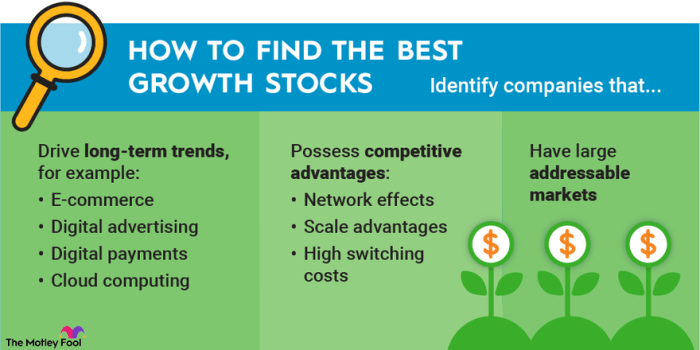
It’s essential to analyze current trends and sectors that show potential for growth. Industries like technology, healthcare, and renewable energy are often considered promising areas for investment. Conducting thorough research on these sectors can help you identify specific companies with strong growth prospects.
Global Events Impact
Global events such as geopolitical tensions, economic policies, or natural disasters can create unique investment opportunities. For example, a market downturn due to political instability in a region can present a buying opportunity for long-term investors. Understanding how global events impact the market can help you capitalize on these situations.
Timing the Market
Timing the market refers to trying to predict the best time to buy or sell investments based on market fluctuations. On the other hand, time in the market focuses on staying invested for the long term to benefit from compounding returns. While timing the market can be risky and challenging, staying invested for a longer period can help mitigate risks and maximize returns over time.
Investment Strategy
Having a well-defined investment strategy is crucial for achieving your financial goals and maximizing returns. A successful investment strategy typically consists of key elements that guide decision-making and risk management.
Short-term vs Long-term Investment Strategies
Short-term investment strategies focus on capitalizing on immediate market fluctuations to generate quick profits. In contrast, long-term investment strategies involve holding onto investments for an extended period to benefit from compound growth and ride out market volatility.
Significance of Asset Allocation
Asset allocation plays a critical role in formulating an investment strategy by determining how your investment portfolio is divided among different asset classes such as stocks, bonds, and cash equivalents. It helps manage risk and optimize returns based on your financial goals and risk tolerance.
Impact of Market Conditions on Investment Strategy
- During periods of economic uncertainty, investors may shift towards safer assets like bonds and cash equivalents to protect their capital.
- In a bullish market, investors may adopt a more aggressive investment strategy by increasing exposure to high-risk, high-reward assets like stocks.
- Market volatility may prompt investors to reassess their investment strategy and make adjustments to rebalance their portfolio or reallocate assets.
As we conclude this exploration of the best investment opportunities in the stock market, remember that success lies not just in seizing these opportunities but in strategically navigating the ever-changing landscape of financial markets.
FAQ Section
What factors should I consider when choosing an investment advisor?
When selecting an investment advisor, it’s crucial to assess their track record, qualifications, fees, and communication style to ensure they align with your financial goals.
How can global events impact investment opportunities in the stock market?
Global events such as geopolitical tensions or economic shifts can create volatility in the stock market, presenting both risks and opportunities for investors to capitalize on.
What is the significance of asset allocation in an investment strategy?
Asset allocation plays a vital role in diversifying risk and maximizing returns by spreading investments across different asset classes based on individual risk tolerance and financial objectives.


